Can Talking About Food Change Your Health? What a Singapore Study Found

Collage of a woman with kitchen equipment

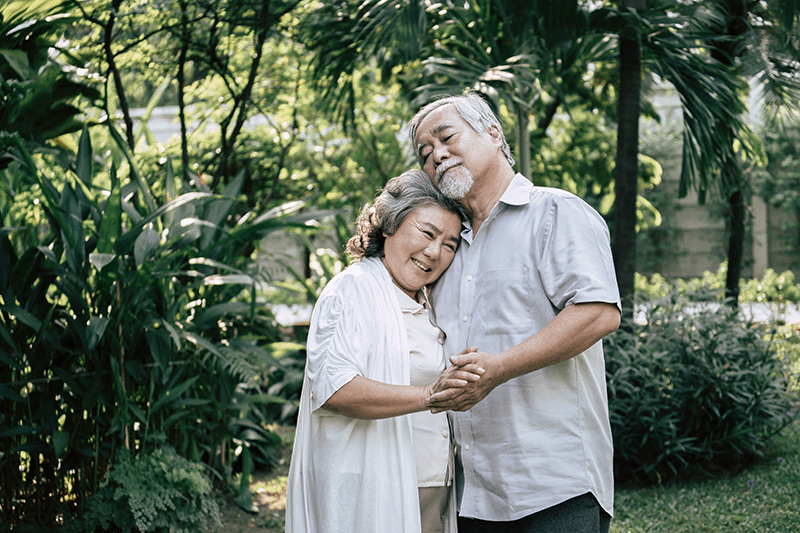
Picture this: a group of women in their late 60s gathering weekly at a senior activity centre in Singapore — not for mahjong or tai chi, but to learn about food. Over 12 weeks, researchers from the National University of Singapore discovered that these conversations may have shifted something deeper inside their bodies than just their eating habits.

The Hidden "Rust" Inside Us

As we age, our bodies quietly accumulate compounds called Advanced Glycation End Products (AGEs). Think of them like rust building up inside your body. They form naturally over time, but certain foods and cooking methods can speed up the process. High AGE levels have been linked to heart disease, type 2 diabetes, and even poor mental health — yet most of us have never heard of them.

In Singapore, older women face a particularly underrecognised risk. Heart disease is often thought of as a “man’s problem,” but it is a leading cause of death among women too, with 90% of Singaporean women reportedly unaware of their cardiovascular risk.

The Study

Researchers recruited 39 older women (average age ~67.5) from the Hannah Seniors Activity Centre. Half received weekly one-hour dietary counselling sessions, while the other half carried on as usual.

The counselling wasn’t about strict diets. It focused on practical, everyday knowledge: reading food labels, planning balanced meals, understanding portion sizes, and learning healthier cooking methods like steaming and boiling. At the start and end of the 12 weeks, both groups had their blood tested and mental health assessed.

What They Found

While the counselling didn’t dramatically shift weight or cholesterol (these women were already relatively healthy), one important marker changed: blood CML levels — a well-studied type of AGE.

Women who received counselling saw their CML levels decrease, while those who didn’t saw their levels increase. The difference was statistically significant. Lower AGE levels are associated with reduced risk of heart disease, diabetes, and cognitive decline.

There was a bonus finding too: the counselled group showed a reduction in depressive symptoms, aligning with growing research linking diet and mental health.

The researchers believe that learning about healthier cooking methods may have been a key driver. Grilling, frying, and roasting at high temperatures dramatically increase AGEs in food. A piece of chicken that is boiled has far fewer AGEs than one that is deep-fried. Simply shifting to gentler cooking methods could reduce the invisible “rust” building up in your body.

What You Can Take Away

  • Rethink your cooking. Swap frying for steaming, boiling, or stewing when you can — it’s a small change with potentially big benefits.
  • Food knowledge is powerful. Understanding what you eat and why can empower better choices without feeling restricted.
  • Diet and mood are connected. Eating well isn’t just about your body — it can influence your mental well-being too.
  • It’s never too late. These women were in their late 60s and still experienced meaningful health changes from a simple intervention.

This blog post is based on a peer-reviewed study published in Nutrition, Metabolism and Cardiovascular Diseases.

Citation: Ting, M., Low, J. H. M., Lee, D. P. S., Fam, J., Mahendran, R., Kua, E. H., & Kim, J. E. (2026). Impact of dietary counselling on cardiometabolic health, mental health and dietary quality in Singapore older women. Nutrition, Metabolism and Cardiovascular Diseases, 36, Article 104536.

Follow us on Facebook for more free mental health resources!